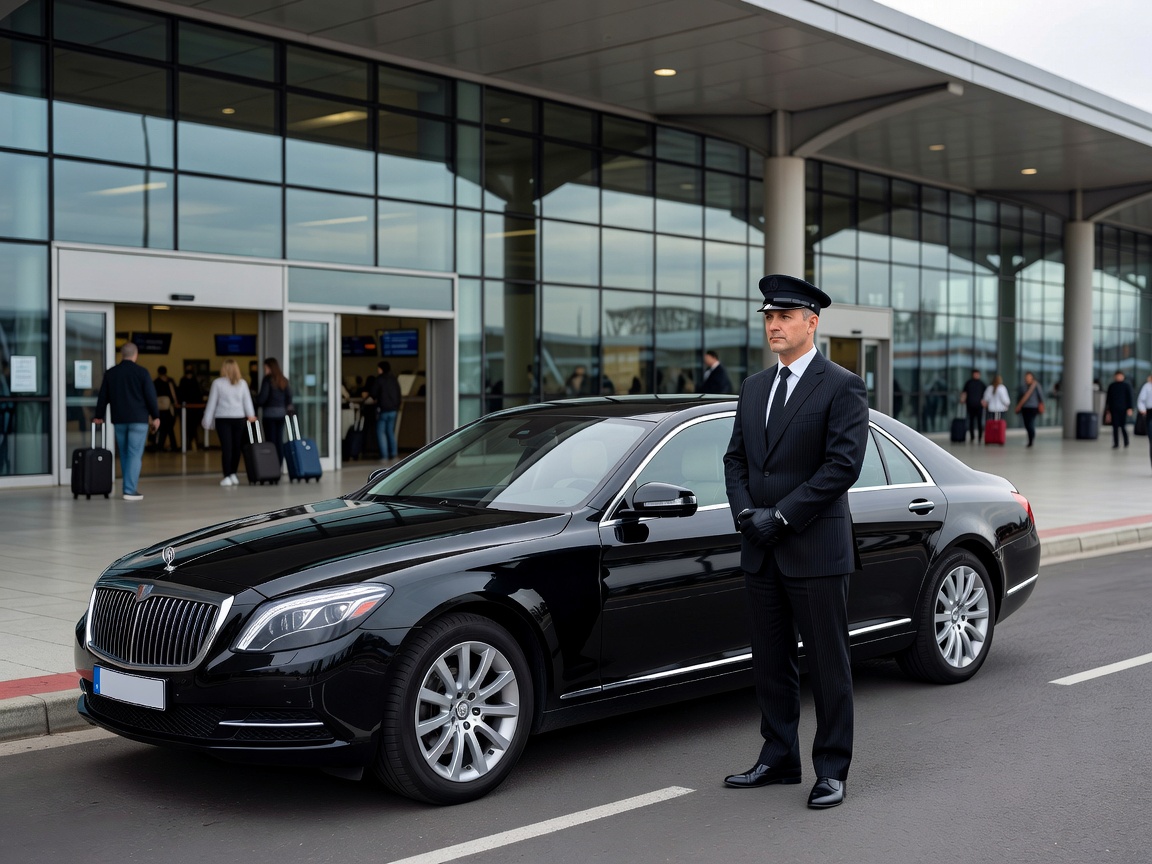
Executive Airport Transfers: Beyond the Standard Curbside Hail
Why standard rideshares often falter on the arrival concourse, what a genuine meet-and-greet entails, and how private chauffeur protocols insulate your schedule from terminal chaos.
Landing at an unfamiliar European gateway shouldn't feel like an impromptu endurance sport. Between rolling luggage over cobblestones, squinting at erratic terminal displays, and negotiating surge fares, travel fatigue piles on fast. We look at premium airport transfers as quiet, deliberate transit — where someone is already standing at arrivals, the temperature is set, and the route into the city has been planned around Friday afternoon ring-road gridlock.
Five focused breakdowns on what separates an authentic executive service from a curbside gamble, from terminal timing buffers to matching boot space with family luggage.
Why standard rideshares often falter on the arrival concourse, what a genuine meet-and-greet entails, and how private chauffeur protocols insulate your schedule from terminal chaos.
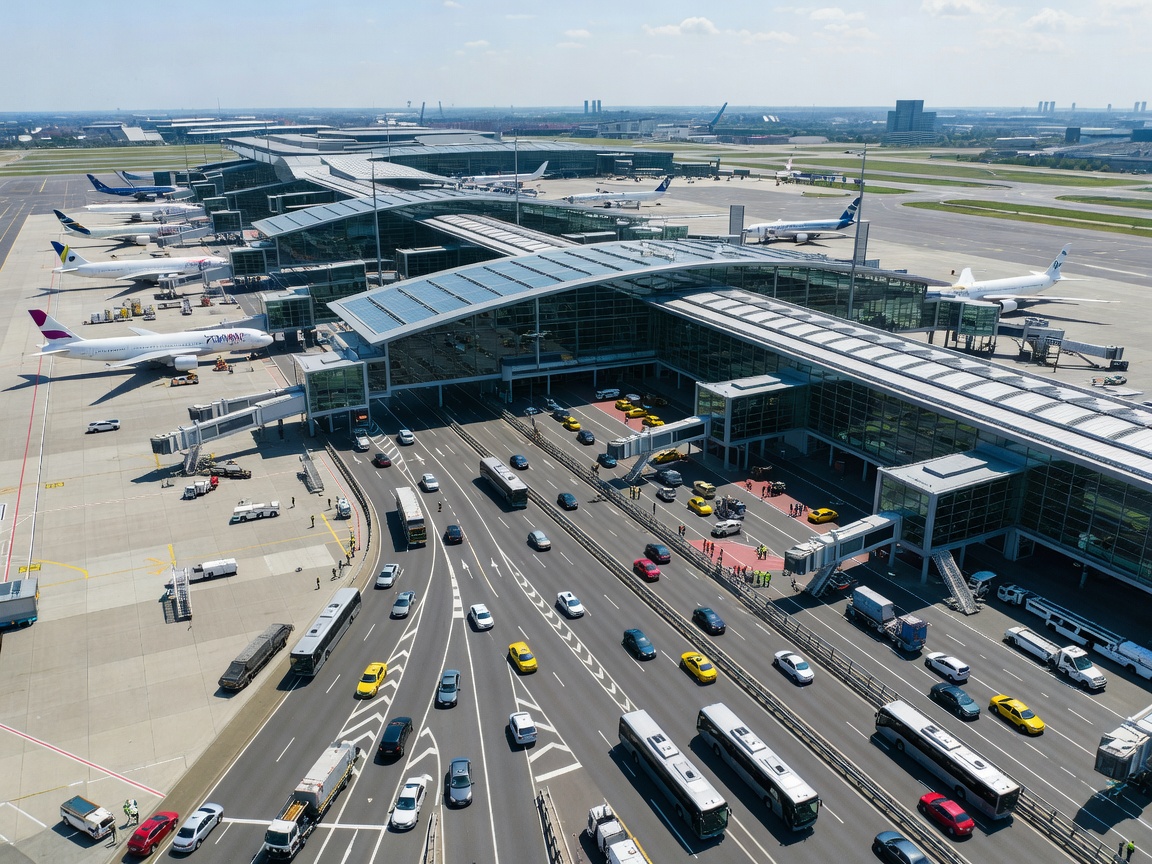
From low-emission environmental zones to rail-versus-road tradeoffs across continental capitals, understand the geographic quirks that dictate European terminal departures.

Executive saloon or extended wheelbase passenger van? How to properly calculate hard-shell luggage allowances without cramming travel cases into passenger footwells.

Tarmac touchdown is never the moment you walk out. We deconstruct international border control queues, baggage reclaim latency, and live flight-radar tracking methods.

Comparing mobile working demands — acoustic dampening, onboard charging, NDAs — against multi-generational family holiday pacing with child seats and ski bags.
Forget the glossy promotional photos; these are the mechanical, legal, and operational factors that determine whether your arrival is seamless or stressful.
European city centers are increasingly ring-fenced by low-emission zones (LEZ) and pedestrian-only restricted transit areas (ZTLs). Verified chauffeur operators maintain compliant permits to deliver you straight to the historic hotel portico instead of dropping you four cobbled blocks away.
A driver who merely shows up at the scheduled timetable departure time is an accident waiting to happen. Serious transfer networks poll active transponder data directly from air traffic control APIs, adjusting parking access windows automatically whether your flight lands forty minutes early or two hours late.
Sedans with hybrid battery banks often lose up to 30% of their advertised luggage cavity. Reputable booking coordination audits both passenger headcount and rigid hardshell bag dimensions beforehand to guarantee that no luggage ever rides perched across your lap.